
Essential Oils
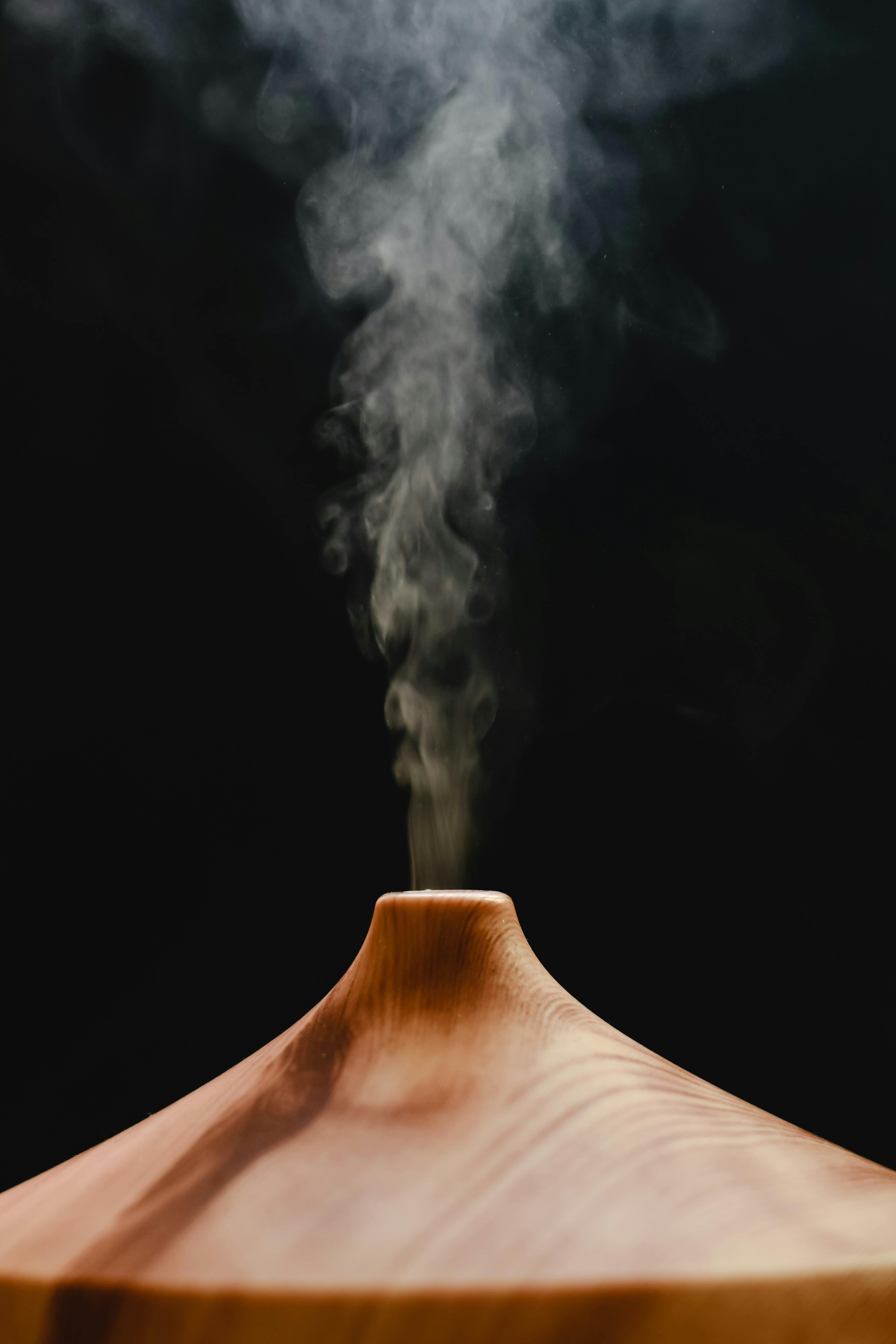
Essential Oils: Definition, Uses, Safety, and Evidence
Essential oils are widely discussed, frequently misunderstood, and often marketed with claims that exceed what evidence supports. This page provides a clear, grounded, and authoritative overview of essential oils—what they are, where they come from, how they are used, what risks they carry, and how to evaluate claims made about them.
The goal is not to promote or dismiss essential oils, but to explain them accurately so readers can make informed decisions. Each section links conceptually to deeper pages within this content silo for readers who want more technical or practical detail.
What Essential Oils Are ?
Essential oils are concentrated aromatic extracts derived from specific parts of plants, including flowers, leaves, bark, roots, seeds, peels, and resins. They contain volatile compounds responsible for a plant’s characteristic scent and some of its chemical activity.
Despite the name, essential oils are not “essential” in a nutritional or biological sense. The term reflects the idea that these oils capture the plant’s “essence” or defining fragrance.
Key characteristics:
-
Highly concentrated
-
Volatile (they evaporate at room temperature)
-
Hydrophobic (do not mix with water)
-
Chemically complex, often containing dozens or hundreds of compounds
Essential oils differ fundamentally from:
-
Fragrance oils, which are usually synthetic
-
Carrier oils (such as olive or jojoba oil), which are fatty and non-volatile
-
Herbal extracts or tinctures, which are typically alcohol- or water-based
For a deeper technical breakdown, see the child page What Are Essential Oils and How Are They Made?
Historical Origins and Traditional Context
Plants with aromatic properties have been used for thousands of years in religious rituals, perfumery, hygiene, and traditional medicine. Ancient civilizations in Egypt, China, India, and the Mediterranean region all documented the use of plant resins, infused oils, and distillates.
However, modern essential oils are not identical to historical preparations. Most ancient methods involved maceration or crude distillation, producing far less concentrated substances than those sold today.
Important context:
-
Traditional use does not equal modern safety
-
Historical use often involved external or ceremonial application
-
Contemporary essential oils are industrially concentrated
Understanding this distinction is critical when evaluating modern claims that rely heavily on historical precedent.
How Essential Oils Are Produced ?
Essential oils are produced by extracting volatile aromatic compounds from plant material. The method used affects the oil’s chemical profile, aroma, and potential applications.
Steam Distillation (Most Common)
-
Plant material is exposed to steam
-
Heat releases volatile compounds
-
Vapors are cooled and condensed
-
Oil separates naturally from water
This method is used for many flowers, leaves, and woods.
Cold Pressing (Primarily Citrus)
-
Mechanical pressure is applied to rinds or peels
-
No heat involved
-
Preserves fresh, volatile compounds
Other Methods
-
Hydrodistillation (plant material submerged in water)
-
Solvent extraction (used for absolutes, not true essential oils)
-
CO₂ extraction (produces extracts with different chemical profiles)
Each method has advantages and limitations. A full technical comparison is covered in How Essential Oils Are Extracted: Distillation, Cold Pressing, and More.
Chemical Composition: Why Essential Oils Behave the Way They Do
Essential oils are not single substances. They are complex chemical mixtures, commonly containing:
-
Terpenes
-
Terpenoids
-
Esters
-
Aldehydes
-
Phenols
These compounds determine:
-
Aroma
-
Evaporation rate
-
Skin reactivity
-
Stability
-
Biological activity
Small variations in plant species, growing conditions, harvest timing, and extraction can significantly alter composition. This variability is one reason why research findings are difficult to generalize across all oils.
Chemical complexity is explored in detail in What’s Inside Essential Oils: Active Compounds and Their Effects.
Common Uses of Essential Oils
Essential oils are used in a range of non-medical contexts. The most common applications fall into three broad categories.
Aromatic Use
-
Diffusers
-
Inhalation (indirect, ambient scenting)
-
Personal fragrance
This is the lowest-risk form of use when done in ventilated spaces.
Topical Use (Diluted)
-
Massage blends
-
Cosmetic formulations
-
Localized application
Topical use always requires dilution in a carrier oil and awareness of skin sensitivity.
Environmental and Household Use
-
Scenting spaces
-
Cleaning products
-
Repellents or deodorizing blends
These uses are described in practical terms in Common Uses of Essential Oils in Daily Life, with deeper coverage in the related child and grandchild pages.
Safety Overview: Why Caution Is Necessary
Essential oils are often perceived as harmless because they are plant-derived. This is misleading. Concentration is the central safety issue.
Key safety considerations:
-
Undiluted oils can cause skin irritation or burns
-
Some oils are phototoxic
-
Ingestion carries higher risk and is generally discouraged
-
Sensitivity varies by age, health status, and exposure level
Children, pets, and individuals with respiratory conditions may be more vulnerable to adverse effects.
Health authorities such as the World Health Organization consistently emphasize that “natural” does not mean “safe,” particularly when substances are concentrated.
Detailed dilution ratios, precautions, and risk categories are addressed in Essential Oil Safety Guidelines: Dilution, Sensitivities, and Precautions.
Storage, Stability, and Shelf Life
Essential oils degrade over time due to:
-
Exposure to oxygen
-
Light
-
Heat
Proper storage involves:
-
Dark glass bottles
-
Tightly sealed caps
-
Cool, stable temperatures
Oxidized oils are more likely to cause skin reactions and should be discarded. Shelf life varies widely depending on chemical composition.
Evaluating Claims and Evidence
Claims about essential oils range from modest (pleasant scent, cosmetic use) to extreme (disease treatment or prevention). Evaluating these claims requires separating three distinct categories:
Traditional Use
-
Based on historical or cultural practices
-
Not equivalent to controlled evidence
Anecdotal Experience
-
Individual reports
-
Subjective and non-generalizable
Scientific Evidence
-
In vitro studies
-
Animal studies
-
Limited human trials
While some studies suggest specific biological activity of certain compounds, robust clinical evidence for most health claims is limited. This does not mean essential oils have no effects—but it does mean claims should be interpreted conservatively.
This topic is explored in depth in Do Essential Oils Work? What Science and Tradition Actually Show.
What This Site Covers Next
This pillar page serves as the foundation of a structured content system. Readers can explore deeper, focused topics through the following linked sections:
-
Understanding Essential Oils
-
Extraction methods
-
Chemical composition
-
-
Uses and Applications
-
Aromatherapy practices
-
Topical and household use
-
-
Safety, Quality, and Evidence
-
Dilution and precautions
-
Scientific research and misconceptions
-
Summary
Essential oils are concentrated plant-derived aromatic substances with legitimate uses and real risks. They are best understood as specialized natural products—not medicines, not harmless fragrances, and not substitutes for medical care.